Hard water stains form when water evaporates and leaves its dissolved minerals behind. In dry climates, evaporation happens fast — faster than in humid regions — which means the minerals concentrate and deposit more aggressively. Irrigation systems are the most common culprit on pavers: sprinkler heads that hit the same paver surface repeatedly, day after day, leave layered mineral deposits that build up over months and years into a crust that's genuinely stubborn. Pool splash-out and decorative fountain overflow do the same thing. Even rainfall in some parts of the Southwest carries enough dissolved mineral content to contribute to buildup over time, though irrigation is almost always the primary driver.
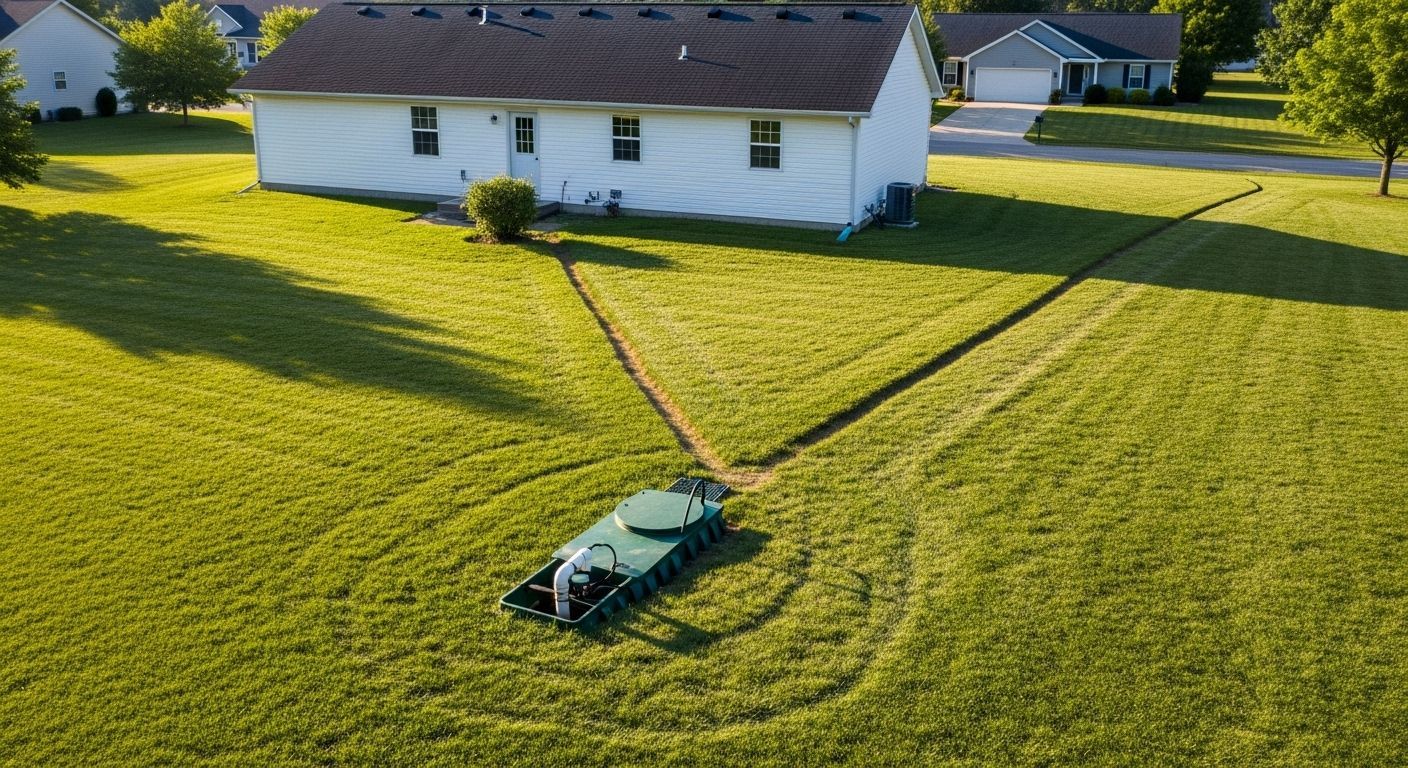
How Freezing Temperatures Affect Your Septic System and How to Protect It
If you live in the Southwest, Southern California, Nevada, Arizona, or anywhere else where the water comes out of the tap with significant mineral content, you already know what hard water does to surfaces. On concrete pavers specifically, it leaves white or gray chalky deposits — calcium carbonate and magnesium buildup — that regular cleaning doesn't touch. Pressure washing moves dirt. It doesn't move mineral deposits. Understanding why helps you go after them with the right approach instead of wasting time and water on methods that won't work.
How to Remove Hard Water Stains from Concrete Pavers in a Dry Climate
Get a Free Quote
Contact Us
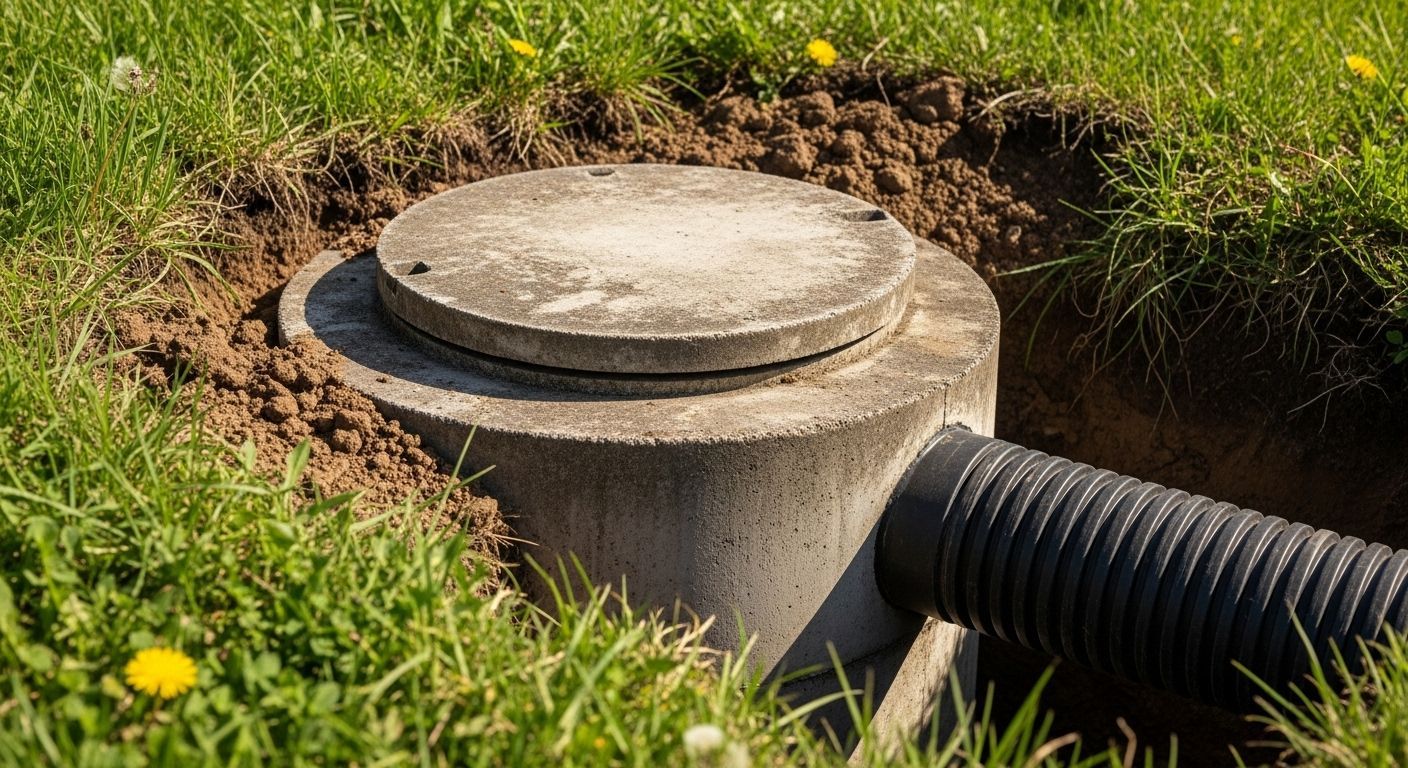
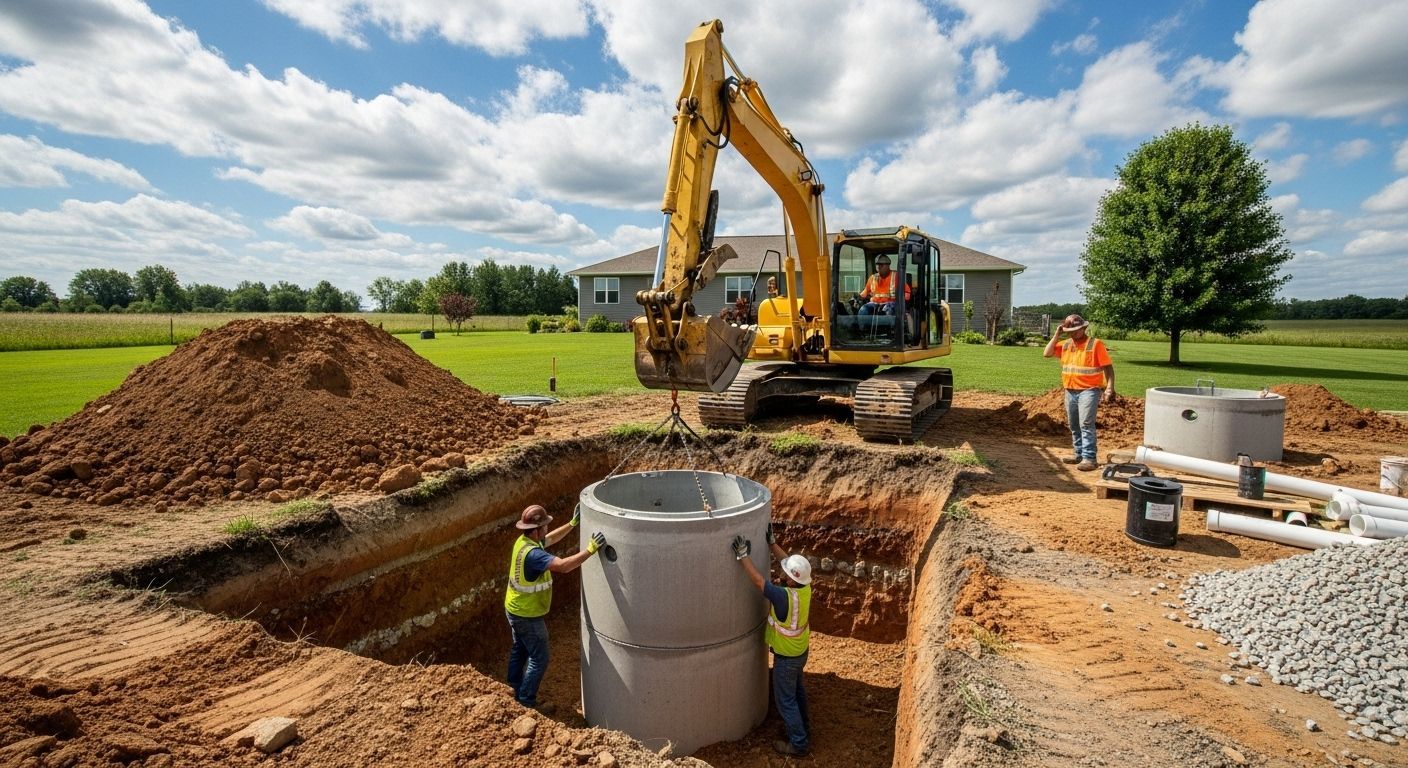
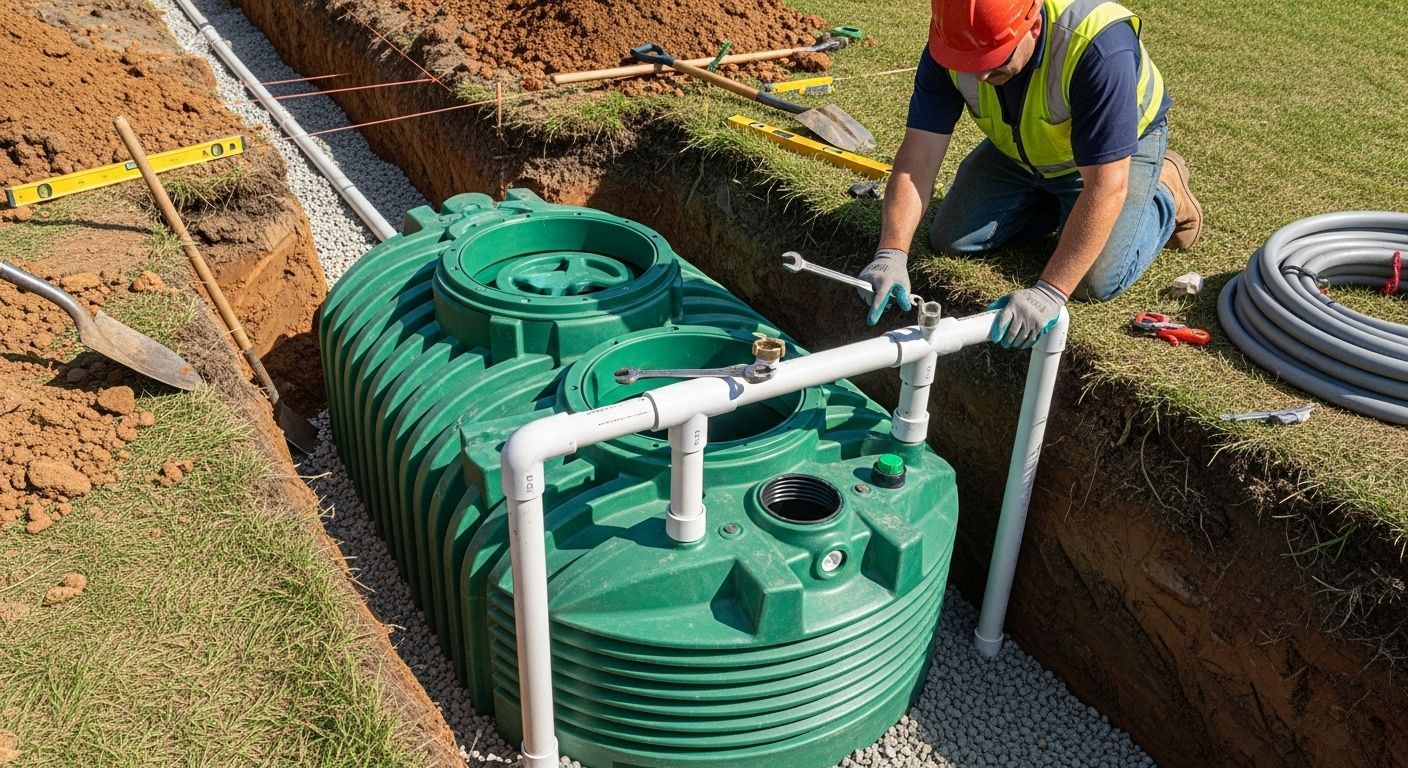
Septic Tank Repair, System Repair & Drain Field Solutions
Satisfied Clients