What Size Septic Tank Do You Need Based on Your Household Size?

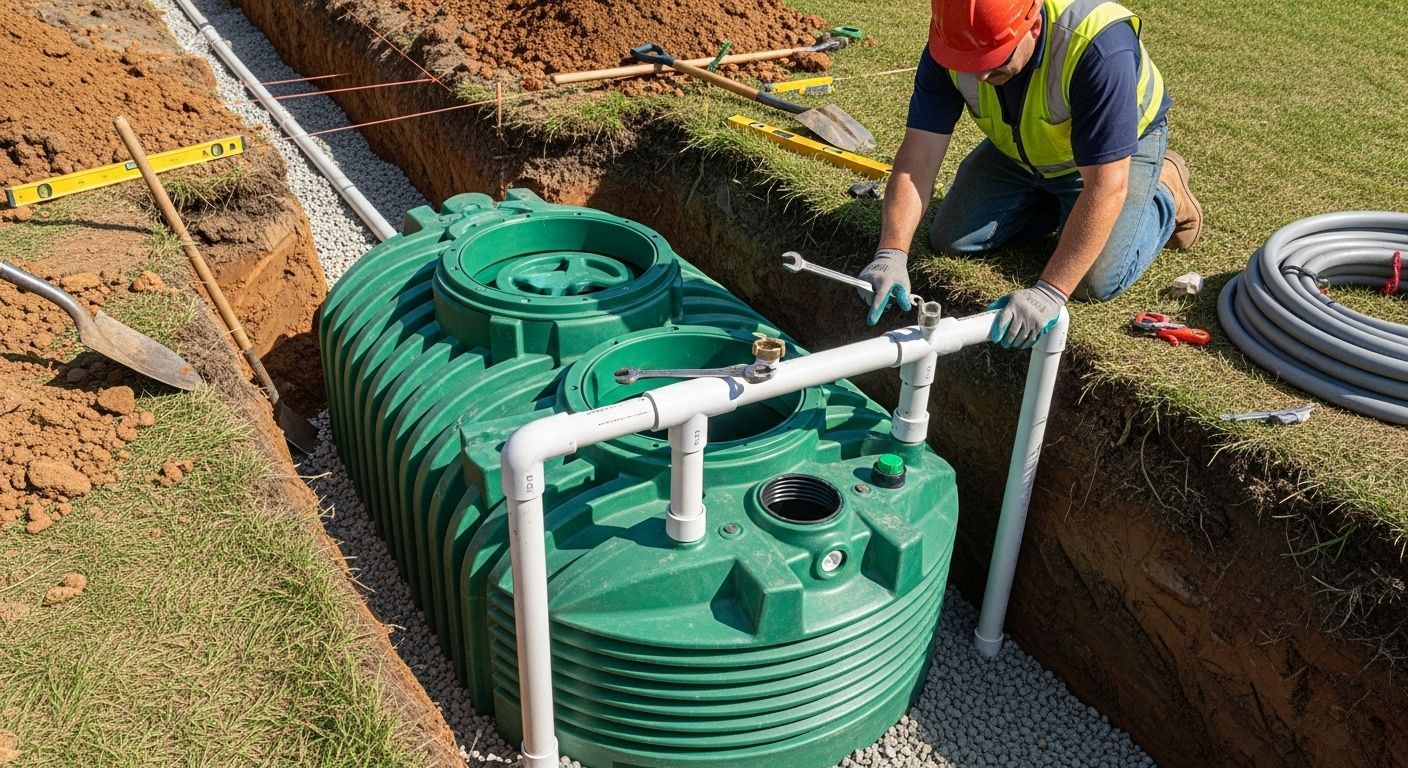
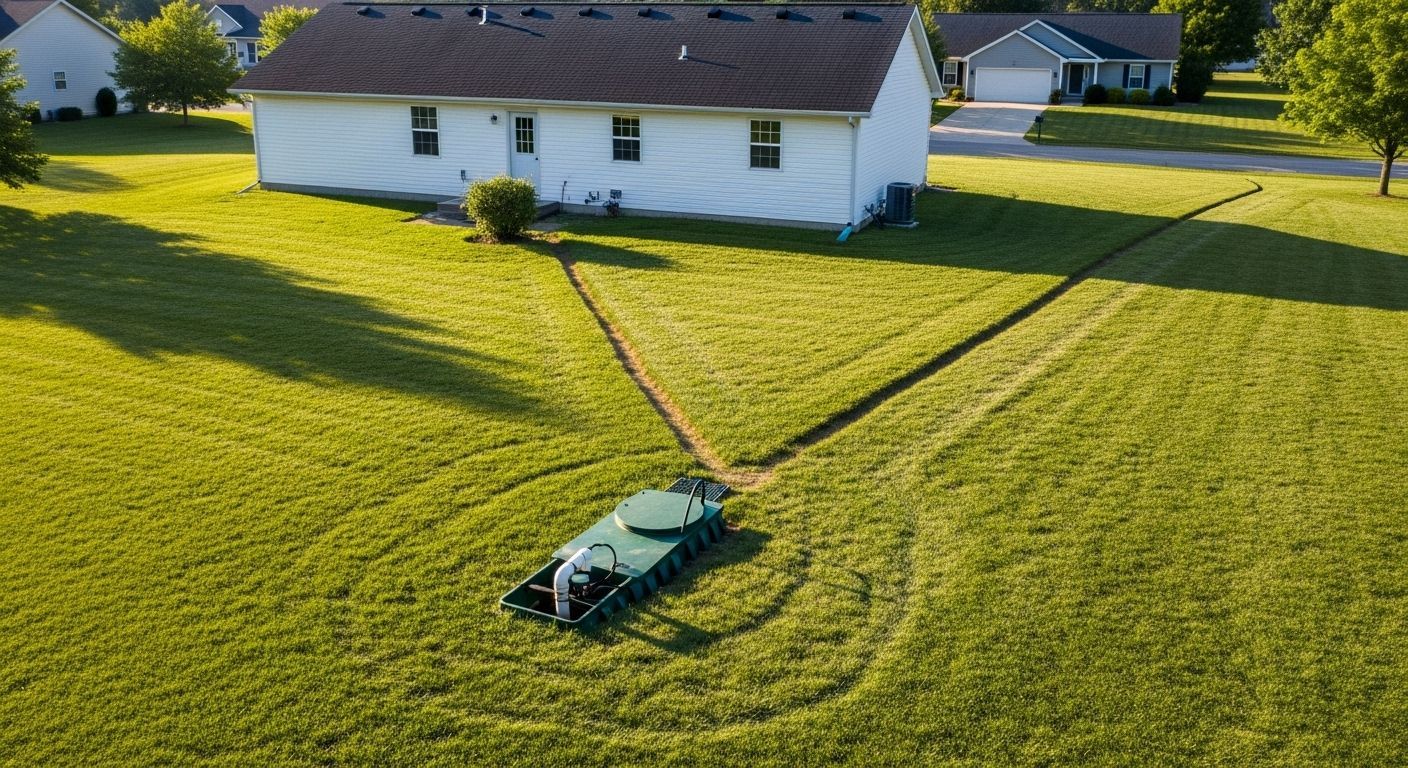
Septic tank sizing is one of those things that seems like it should be simple — bigger house needs bigger tank, right? — but the actual answer involves a few variables that are worth understanding before you talk to a contractor or a county health department, because getting the sizing wrong in either direction creates real problems down the line. If you're building new, replacing an old tank, or just trying to understand what size septic tank you need for your situation, here's how to think through it.

Our Services →

How to Remove Hard Water Stains from Concrete Pavers in a Dry Climate
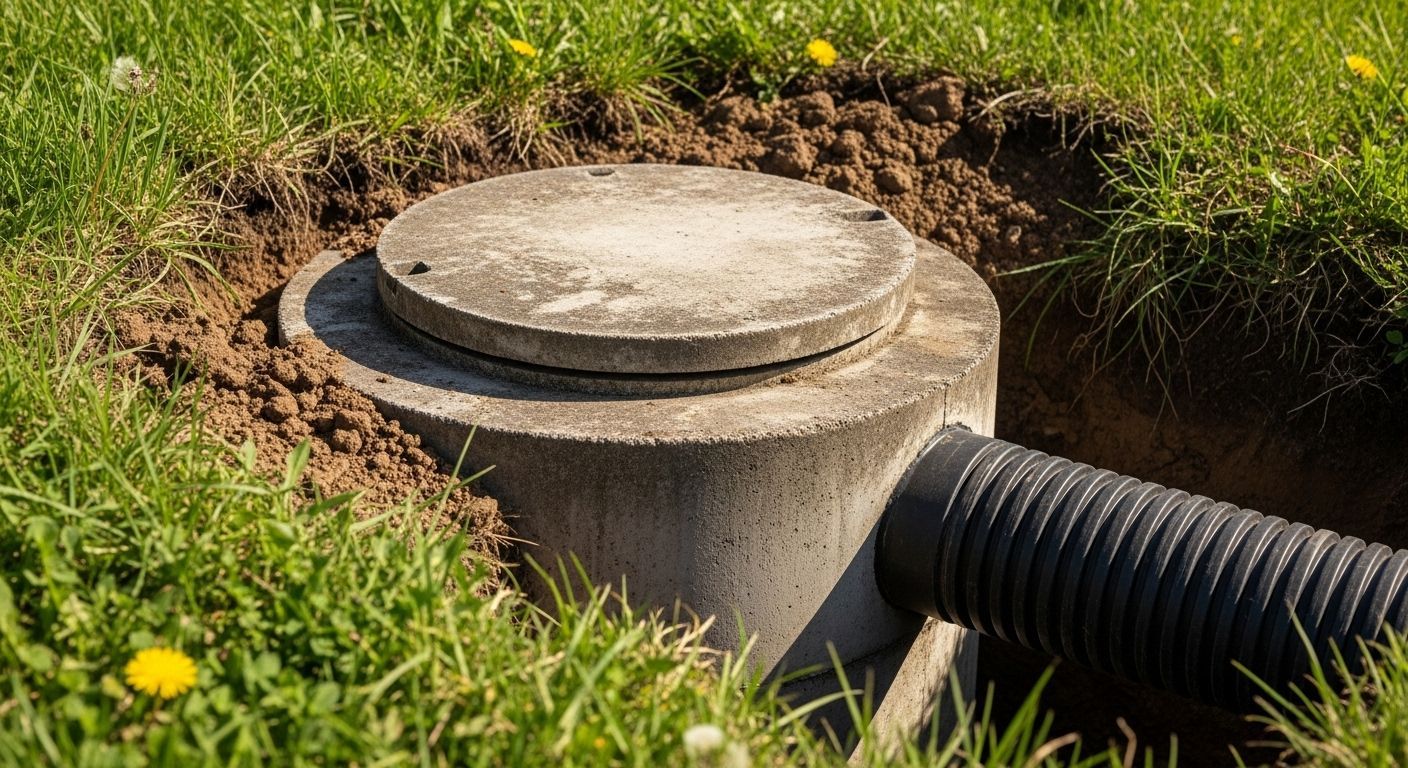
The starting point for most sizing calculations is the number of bedrooms in the house, not the number of people actually living there. This feels counterintuitive until you understand the reasoning: bedrooms represent the potential occupancy of a home, and septic systems are designed for the life of the structure, not just the current household. A two-person couple in a four-bedroom house will eventually sell to a family of six. The system needs to handle that. Most local health codes are built around this logic, and minimum tank sizes are typically specified by bedroom count.


estimated_quoteArtboard 3

Get a Free Quote

Contact Us

Septic Tank Repair, System Repair & Drain Field Solutions
Satisfied Clients

quotes2Artboard 2

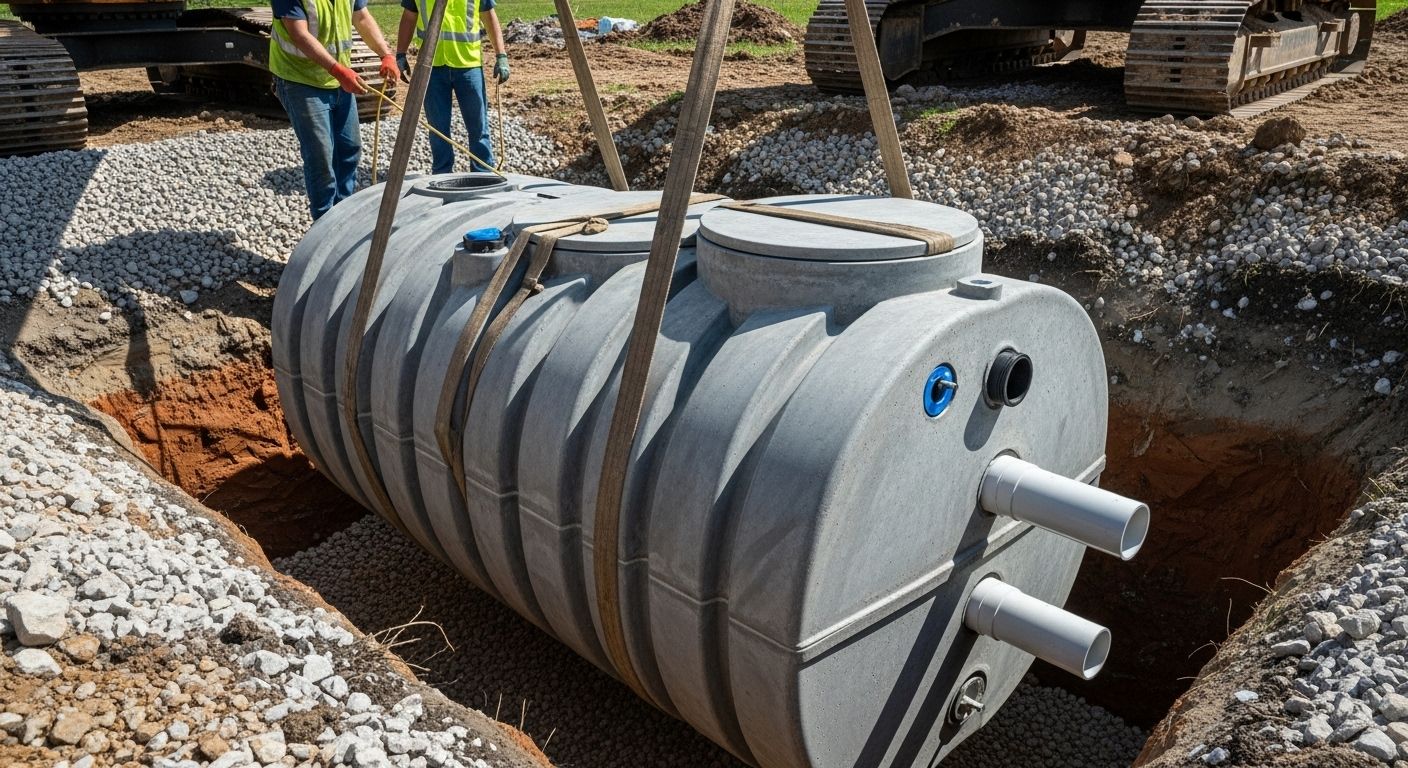
The general rule of thumb that most jurisdictions follow looks roughly like this: a one or two bedroom home typically requires a minimum 750 to 1,000 gallon tank. A three bedroom home — which is the most common reference point in sizing charts — generally calls for a 1,000 gallon tank as the minimum. Four bedrooms typically means 1,200 gallons, and five bedrooms pushes you to 1,500 gallons or more. These are minimums, and many contractors and engineers will recommend going one size up from the minimum if the budget allows, simply because a larger tank provides more buffer, needs pumping less frequently, and handles heavy use periods — holidays, guests, large gatherings — without stress.


Water usage habits matter too, and they can push you toward a larger tank even if the bedroom count alone doesn't require it. A household with a garbage disposal puts significantly more solid waste into the system than one without — enough that many septic engineers will add the equivalent of an extra bedroom to their sizing calculation if you plan to use one regularly. High-efficiency appliances that use less water per cycle can work in the other direction, reducing the hydraulic load on the system. If your household does unusually high volumes of laundry — a large family, someone working in a trade that requires daily washing of heavily soiled clothing — that's worth mentioning to your engineer or installer.


The other variable that doesn't get talked about enough in the what size septic tank do I need conversation is the drain field, and specifically the relationship between tank size and drain field capacity. A larger tank gives solids more time to settle before effluent flows out to the drain field, which means cleaner effluent reaching the soil and less stress on the drain field over time. In areas with slow-draining soils — heavy clay, for example — this relationship is particularly important. A tank that's slightly oversized for the bedroom count is cheap insurance for a drain field that's working hard.


Local regulations will ultimately set your floor on sizing, and they vary more than you'd expect. Some counties are stricter than state minimums, some require engineered designs for anything above a certain size or on challenging soils, and some have specific requirements for alternative systems — aerobic treatment units, mound systems, drip irrigation systems — in areas where conventional septic isn't feasible. Before you finalize anything, a conversation with your local health department or a licensed septic designer in your area is the step that actually determines what you're permitted to install, not a general sizing chart from the internet.


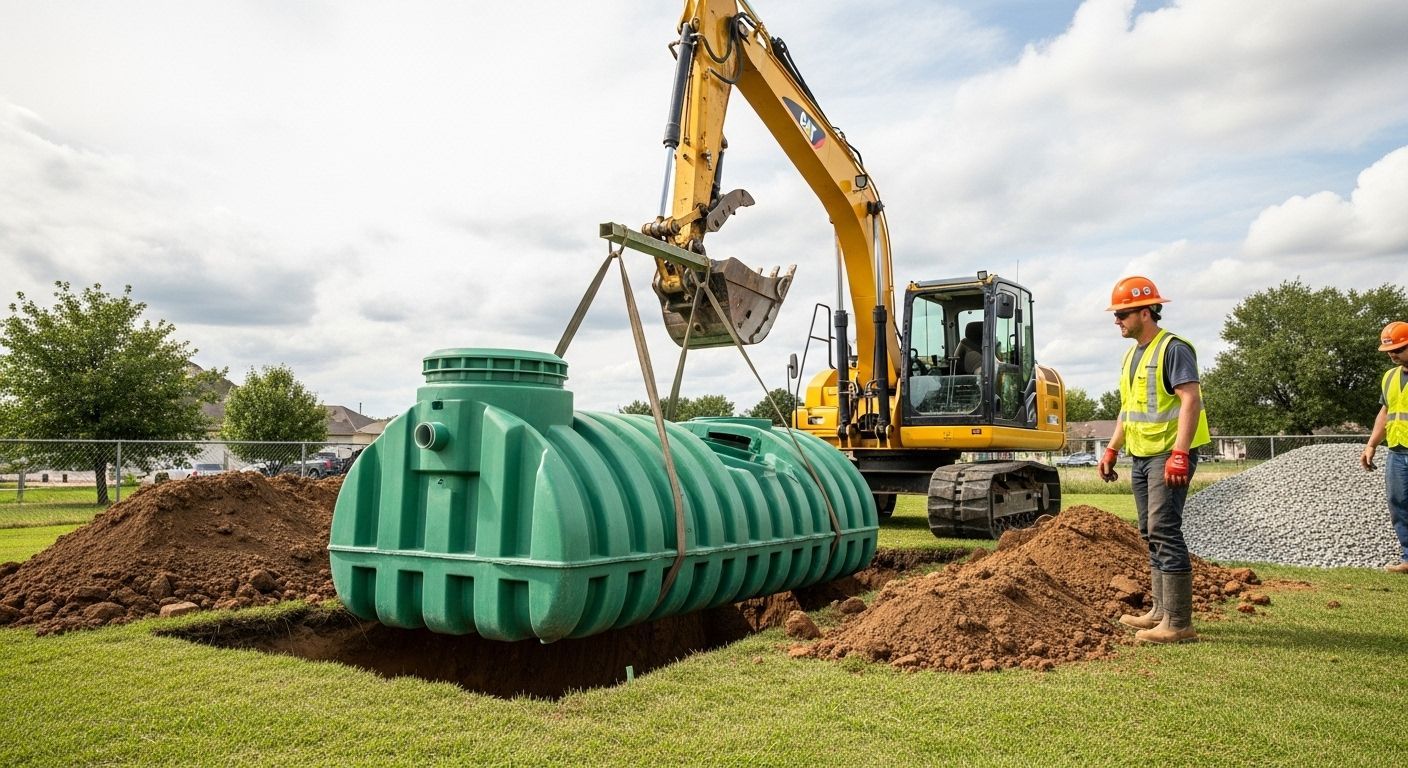
If you're replacing an existing tank rather than installing new, the question of what size septic tank you need gets a little more straightforward — you're generally looking to meet or exceed the capacity of the original system, and if the original system was undersized for the house (which happens more often than you'd think in older properties), replacement is an opportunity to correct that. Pull any records you can find on the existing system, including when it was last pumped and whether there have been drain field issues, before deciding on the replacement size.


The bottom line is that for most residential situations, the county's minimum sizing requirement based on bedroom count is a reasonable starting point, going one size up is rarely a mistake, and any specific factors — garbage disposals, high water use, challenging soils — are worth flagging with your installer so they can account for them in the final design.

Septic Tank Installation Near Me?